
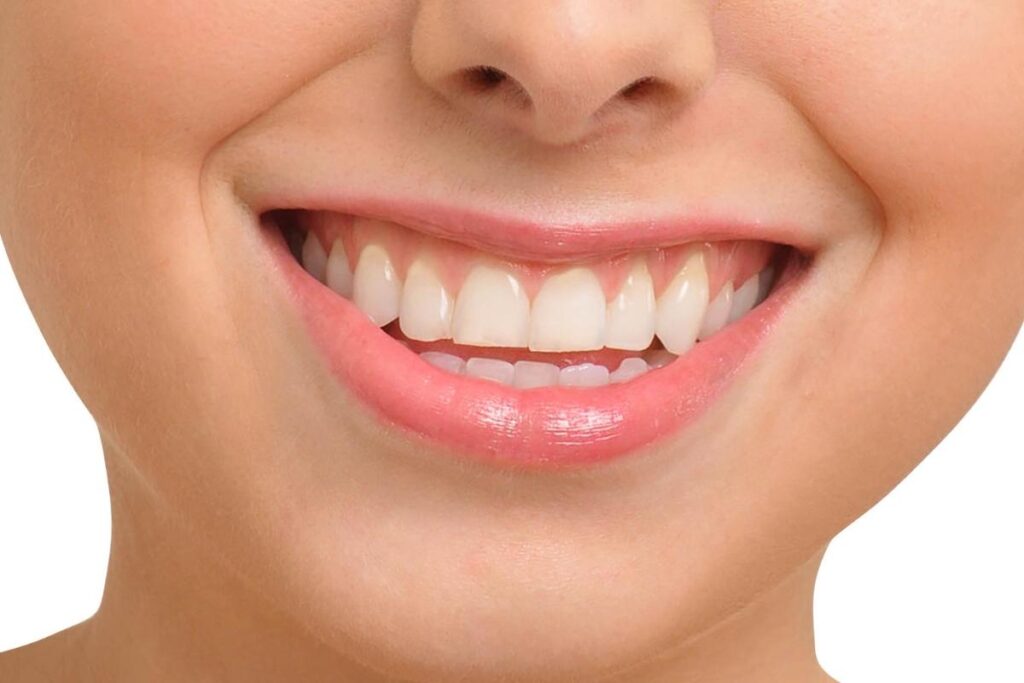
If you’ve noticed chalky white spots on your teeth, you’re not alone. Many patients in Bellevue ask whether these spots are permanent or if they can be reversed naturally. The answer depends on what’s causing them—and how early they’re treated.
At Meydenbauer Dental, Dr. Chris S. Sugamura helps patients identify the root cause of white spots and recommends personalized treatments to restore a smooth, even smile. Let’s take a closer look at what white spots mean, whether they can disappear naturally, and what you can do about them.
What Causes White Spots on Teeth?
White spots form when minerals are lost from the enamel, the protective outer layer of your teeth. This process is called demineralization, and it often happens before a cavity fully develops.
Common causes include:
1. Early Tooth Decay
White spots are often the first visible sign of enamel weakening. When plaque builds up, and bacteria feed on sugar, acid attacks the enamel and pulls minerals like calcium and phosphate out of it.
2. Poor Oral Hygiene with Braces
Patients who’ve had orthodontic treatment sometimes develop white spots around brackets. These areas are harder to clean, allowing plaque to accumulate.
3. Fluorosis
Excess fluoride exposure during early childhood can lead to faint white streaks or patches on developing teeth.
4. Enamel Hypoplasia
This developmental condition occurs when enamel doesn’t form properly, often due to illness, nutritional deficiencies, or genetics.
Identifying the cause is essential because it determines whether the white spots can be reversed naturally or require professional treatment.
Can White Spots Be Reversed Naturally?
In some cases, yes—especially if caught early.
When white spots are caused by early demineralization, they may be partially reversed through a process called remineralization. This happens when minerals are restored to the enamel before permanent damage occurs.
Natural Remineralization Strategies
If the spots are in the early stage, Dr. Sugamura may recommend:
- Brushing twice daily with fluoride toothpaste
- Using a fluoride mouth rinse
- Reducing sugar intake
- Drinking plenty of water
- Maintaining consistent oral hygiene
Fluoride plays a key role in strengthening enamel and reversing minor damage. Saliva also helps repair enamel naturally by supplying minerals back to the tooth surface.
However, once enamel loss becomes significant, natural methods alone may not eliminate white spots.
When White Spots Are Permanent
If the enamel surface has been structurally altered or damaged, white spots may not disappear on their own. In these cases, professional cosmetic or restorative treatments provide the most effective solution.
We offer several advanced options to improve the appearance of white spots and restore a uniform smile.
Professional Treatment Options
1. Professional Fluoride Treatments
Stronger than over-the-counter products, in-office fluoride treatments help strengthen enamel and reduce visibility of early white lesions.
2. ICON Resin Infiltration
This minimally invasive treatment blends white spots with the surrounding enamel by infiltrating them with a special resin. It requires no drilling and delivers immediate cosmetic improvement.
3. Teeth Whitening
In some cases, whitening can reduce contrast between white spots and surrounding enamel, making them less noticeable.
4. Dental Bonding
Tooth-colored composite material can be applied to cover and smooth affected areas.
5. Porcelain Veneers
For more severe cases, veneers provide a long-lasting cosmetic solution.
Dr. Chris S. Sugamura carefully evaluates each patient’s needs to determine the most conservative and effective treatment plan.
Why Early Diagnosis Matters
White spots are often a warning sign. If they’re related to early tooth decay, addressing them promptly can prevent cavities from forming.
Routine dental checkups allow us to:
- Detect enamel changes early
- Strengthen teeth before cavities develop
- Offer preventive treatments
- Provide customized oral health recommendations
If you’re searching for a trusted dentist in Bellevue to evaluate white spots, Meydenbauer Dental provides comprehensive, patient-focused care in a comfortable setting.
How to Prevent White Spots from Developing
Prevention is always better than correction. Here are practical steps to protect your enamel:
- Brush twice daily with fluoride toothpaste
- Floss daily to remove plaque between teeth
- Limit sugary snacks and drinks
- Rinse with water after meals
- Schedule regular professional cleanings
- Follow post-orthodontic care instructions carefully
Patients with braces or aligners should be especially diligent about cleaning around appliances.
A Personalized Approach at Meydenbauer Dental
Every smile is unique, and so is every case of white spots. Some patients need simple remineralization strategies, while others benefit from cosmetic solutions.
Dr. Chris S. Sugamura combines preventive dentistry, cosmetic expertise, and advanced technology to help Bellevue patients achieve healthier, more confident smiles.
If you’re unsure whether your white spots are reversible or permanent, the best step is a professional evaluation.
Restore Confidence in Your Smile
White spots can affect your confidence—but they don’t have to be permanent. Whether your condition can be improved naturally or requires cosmetic treatment, early action makes all the difference.
If you’ve noticed changes in your enamel, sensitivity, or discoloration, don’t wait.
Book your appointment today or visit our dental office at 13033 NE Bel Red Rd #220, Bellevue, WA 98005, United States.
FAQs
1. Are white spots always a sign of cavities?
Not always. While they often indicate early enamel demineralization, they can also result from fluorosis or enamel development issues. A dental exam is necessary for accurate diagnosis.
2. How long does remineralization take?
It depends on the severity of the enamel damage. Early white spots may improve within weeks to months with consistent fluoride use and proper oral care.
3. Is treatment for white spots painful?
Most treatments, including fluoride therapy and resin infiltration, are minimally invasive and comfortable. Dr. Sugamura prioritizes patient comfort during every procedure.