
Missing teeth can impact more than just your appearance—they can affect your ability to chew, speak clearly, and maintain proper oral health. If you’re looking for a reliable, long-lasting tooth replacement solution in Bellevue, WA, dental bridges may be the ideal option.
At Meydenbauer Dental, Dr. Chris S. Sugamura provides high-quality, custom dental bridges designed to restore your smile’s function and beauty. Here’s everything you need to know about dental bridges, including types, costs, procedures, benefits, and how to care for them.
What Is a Dental Bridge?
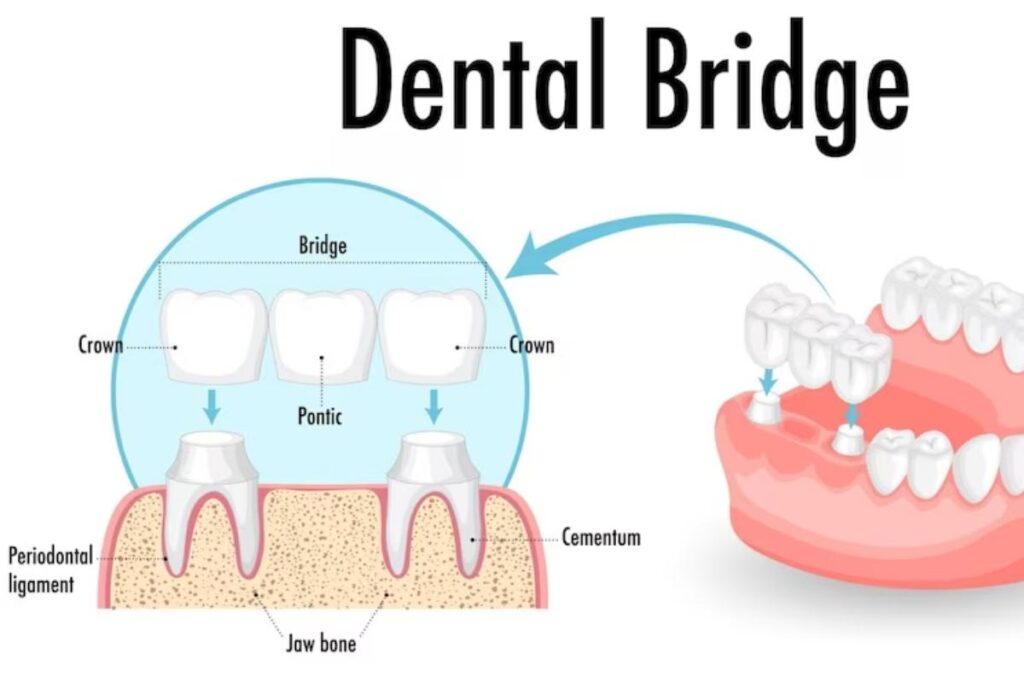
A dental bridge is a fixed restoration used to replace one or more missing teeth. It “bridges” the gap left behind by attaching an artificial tooth (or teeth) to neighboring natural teeth or dental implants.
When a tooth is lost, surrounding teeth can shift into the space. This can lead to bite misalignment, jaw discomfort, and increased risk of decay or gum disease. A dental bridge prevents these issues while restoring your smile.
Types of Dental Bridges
We offer several types of dental bridges based on your unique needs:
1. Traditional Dental Bridge
This is the most common type. It consists of one or more artificial teeth held in place by dental crowns placed on the adjacent natural teeth. Traditional bridges are strong and durable, making them ideal for back teeth.
2. Cantilever Bridge
Used when only one adjacent tooth is available for support. While effective in certain cases, this option is typically recommended for areas with less biting pressure.
3. Maryland Bonded Bridge
This conservative option uses a metal or porcelain framework bonded to the backs of adjacent teeth. It preserves more natural tooth structure but may not be suitable for high-pressure chewing areas.
4. Implant-Supported Bridge
Instead of relying on natural teeth, this bridge is supported by dental implants. It provides superior stability and longevity and is often recommended for patients missing multiple teeth.
During your consultation, Dr. Sugamura will evaluate your oral health and recommend the most appropriate type for your situation.
Dental Bridge Procedure: What to Expect
Getting a dental bridge at Meydenbauer Dental typically involves two appointments.
First Appointment: Preparation
- The adjacent teeth are reshaped to accommodate dental crowns (if a traditional bridge is used).
- Impressions are taken to create a custom-fitted bridge.
- A temporary bridge is placed to protect your teeth.
Second Appointment: Placement
- The permanent bridge is carefully fitted and adjusted.
- Once confirmed for comfort and alignment, it is permanently cemented in place.
If you choose an implant-supported bridge, additional procedures and healing time may be required for implant placement before the bridge is attached.
The entire process is comfortable and performed with your convenience in mind.
How Much Does a Dental Bridge Cost?
The cost of a dental bridge varies depending on several factors:
- Type of bridge used
- Number of teeth being replaced
- Materials selected (porcelain, ceramic, metal)
- Whether dental implants are involved
In general, traditional bridges are more affordable than implant-supported bridges. However, implant-supported options often last longer and provide additional stability.
We believe in transparent pricing. Our team will review all costs with you before treatment begins and discuss insurance coverage and financing options to make your care accessible.
Benefits of Dental Bridges
Dental bridges offer both cosmetic and functional benefits:
Restore Your Smile
A bridge fills gaps seamlessly, improving confidence and facial appearance.
Improve Chewing and Speech
Missing teeth can make eating difficult and affect pronunciation. A bridge restores normal function.
Prevent Teeth Shifting
Bridges keep surrounding teeth from moving out of alignment, protecting your bite.
Maintain Facial Structure
Tooth loss can cause facial sagging over time. A bridge helps preserve facial shape.
Durable and Long-Lasting
With proper care, dental bridges can last 10–15 years or longer.
How to Care for Your Dental Bridge
Proper maintenance ensures the longevity of your restoration.
Brush Twice Daily
Use fluoride toothpaste and a soft-bristle toothbrush to clean around the bridge.
Floss Daily
Special floss threaders or water flossers can help clean under the bridge where plaque may accumulate.
Avoid Hard or Sticky Foods
Limit chewing ice, hard candy, or sticky foods that can loosen the bridge.
Schedule Regular Dental Checkups
Routine exams allow Dr. Sugamura to monitor your bridge and overall oral health.
Preventive dentistry is key to protecting your investment and maintaining a healthy smile.
Why Choose Dr. Chris S. Sugamura for Dental Bridges in Bellevue?
Choosing the right dentist makes all the difference in the success of your treatment. Dr. Chris S. Sugamura is known for:
- Personalized, patient-centered care
- Advanced restorative techniques
- High-quality materials for natural-looking results
- A comfortable and welcoming office environment
We combine expertise with compassion to ensure you feel confident in your smile.
Is a Dental Bridge Right for You?
If you’re missing one or more teeth and want a fixed, reliable solution, a dental bridge may be the perfect option. During your consultation, we will assess your oral health, discuss alternatives like dental implants or partial dentures, and help you choose the best treatment plan for your needs.
Restoring your smile improves not only aesthetics but also long-term oral health and overall well-being.
Restore Your Smile
If you’re ready to replace missing teeth and regain confidence in your smile, dental bridges offer a proven and effective solution. At Meydenbauer Dental, Dr. Chris S. Sugamura provides expert restorative care tailored to your needs.
Book your appointment today or visit our dental office at 13033 NE Bel Red Rd #220, Bellevue, WA 98005, United States.
FAQs
1. How long does a dental bridge last?
With proper care and regular dental visits, a dental bridge can last 10–15 years or even longer.
2. Is getting a dental bridge painful?
The procedure is typically comfortable. Local anesthesia ensures minimal discomfort, and most patients resume normal activities quickly.
3. Are dental bridges covered by insurance?
Many dental insurance plans partially cover bridges. Our dental office team will help verify your benefits and explain your coverage options.