
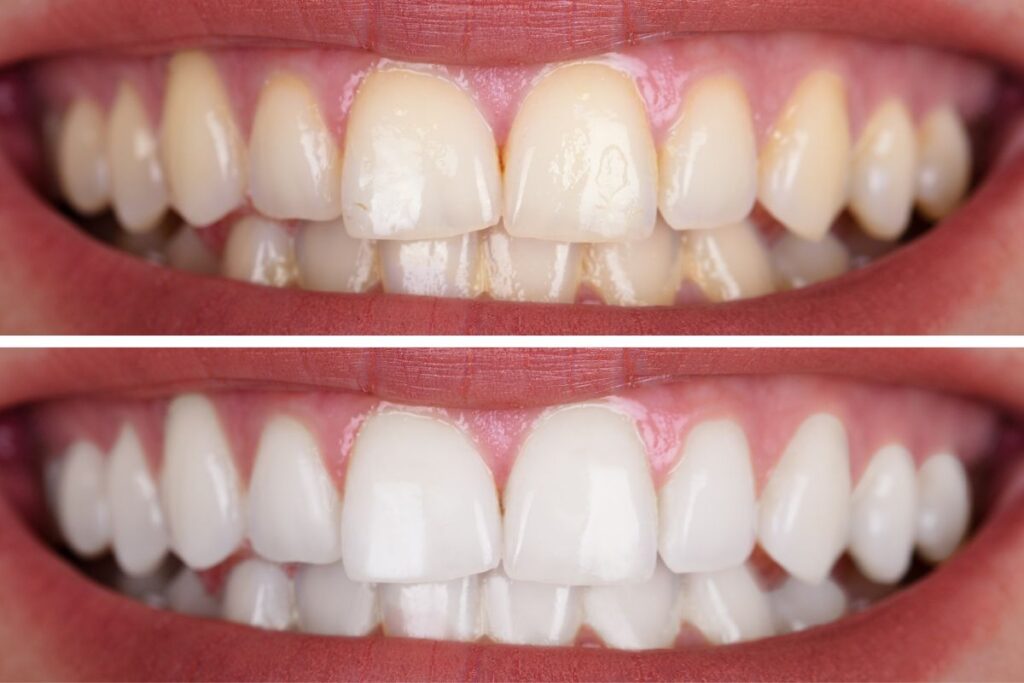
Teeth whitening treatments have become a popular way to achieve a brighter, more confident smile. Whether you’ve opted for an at-home whitening kit or had a professional treatment at the dentist’s office, the journey to whiter teeth often raises questions about aftercare. One of the most common questions people have after whitening their teeth is whether they can still enjoy their favorite beverages, such as coffee and wine.
In this blog, we’ll explore how coffee and wine can affect your newly whitened teeth, why it’s essential to be cautious, and what you can do to maintain that sparkling smile.
Why Are Coffee and Wine a Concern After Whitening?
Teeth whitening treatments open up the pores in your tooth enamel, making your teeth more susceptible to staining in the days following the procedure. This is why dental professionals often advise patients to be mindful of what they eat and drink post-treatment. Both coffee and wine are notorious for staining teeth, so it’s important to understand the risks involved.
How Coffee Stains Teeth
Coffee contains tannins, a type of polyphenol that breaks down in water. Tannins cause color compounds to stick to your teeth, leading to yellowing over time. Because your enamel is more porous after whitening, these compounds can easily penetrate and cause staining much faster than usual.
How Wine Stains Teeth
Similar to coffee, wine, especially red wine, contains tannins and chromogens that are responsible for discoloration. Red wine, in particular, can leave behind a deep purplish stain, while white wine, though less colorful, is highly acidic and can erode enamel, making your teeth more vulnerable to other stains.
Can You Drink Coffee After Teeth Whitening?
While it’s tempting to grab a cup of coffee after your whitening treatment, dental professionals recommend avoiding it for at least 24 to 48 hours post-whitening. During this time, your teeth are at their most vulnerable to staining. If you can resist, try extending this window to maximize your whitening results.
Tips for Coffee Lovers
If you absolutely must have your coffee, consider these tips to reduce the risk of staining:
- Use a Straw: Drinking coffee through a straw can help minimize contact with your teeth.
- Opt for Lighter Roasts: Darker roasts contain more chromogens, which lead to more staining. Lighter roasts may have a less pronounced effect on your enamel.
- Rinse Your Mouth: After finishing your coffee, rinse your mouth with water to help wash away the tannins and chromogens before they have a chance to settle in.
Can You Drink Wine After Teeth Whitening?
Red wine is particularly harmful to whitened teeth because of its deep pigmentation and acidity. Like coffee, wine should be avoided for at least 24 to 48 hours after your whitening treatment. If possible, it’s best to extend this period for even better long-term results.
How to Protect Your Teeth While Enjoying Wine
If you enjoy wine and are concerned about keeping your teeth white, consider the following:
- Switch to White Wine: While white wine is still acidic, it doesn’t have the dark pigmentation of red wine, making it a slightly safer option after whitening.
- Pair with Cheese: Cheese can neutralize the acids in wine, helping protect your enamel and reducing the likelihood of stains.
- Rinse with Water: As with coffee, rinsing your mouth after drinking wine can help flush out stain-causing compounds.
What About Other Foods and Drinks?
It’s not just coffee and wine that you need to be careful about after teeth whitening. Several other foods and drinks can stain your teeth if consumed too soon after your treatment.
Foods and Beverages to Avoid
- Dark-Colored Beverages: This includes sodas, dark teas, and colored sports drinks, all of which can stain your teeth.
- Acidic Foods: Tomatoes, citrus fruits, and vinegar-based dressings can erode enamel and make your teeth more susceptible to staining.
- Colorful Foods: Berries, beets, and curries contain strong pigments that can easily stain your teeth after whitening.
Safer Alternatives
For the first few days after whitening, stick to light-colored, non-acidic foods. Some safer options include:
- Plain water
- White meats like chicken or turkey
- Cauliflower, potatoes, and rice
- Dairy products such as yogurt and cheese
How Long Should You Avoid Coffee and Wine?
To preserve the brightness of your newly whitened teeth, it’s ideal to wait at least 48 hours before consuming any dark-colored beverages or foods. For the best results, try to avoid stain-causing drinks for as long as possible—ideally up to a week. After this period, you can start to reintroduce these items into your diet, but it’s still important to be mindful of your consumption.
Maintaining Your Whitened Teeth in the Long Run
While avoiding coffee and wine for a few days can help you get the most out of your whitening treatment, long-term habits play a significant role in maintaining your bright smile.
Brush and Floss Regularly
Brushing and flossing regularly can help keep stains at bay. Use a whitening toothpaste and be diligent about cleaning your teeth, especially after consuming foods and drinks that are known to cause stains.
Schedule Touch-Up Treatments
Over time, your teeth may naturally start to discolor again, especially if you frequently consume coffee or wine. Regular touch-up treatments, whether at home or through your cosmetic dentist, can help keep your smile bright.
Consider Professional Cleanings
Regular dental cleanings can also help remove surface stains and keep your teeth looking their best. Make sure to visit your dentist for cleanings every six months.
Conclusion
While it may be tempting to enjoy a cup of coffee or a glass of wine soon after your teeth whitening treatment, it’s best to wait at least 24 to 48 hours before indulging to prevent immediate staining. During this period, your teeth are more porous and can easily absorb pigments from dark-colored beverages and foods. By making small adjustments—like drinking through a straw, rinsing after meals, and choosing lighter foods—you can help preserve your bright smile and enjoy longer-lasting results. Ready to keep your teeth sparkling. Book your whitening appointment today!