
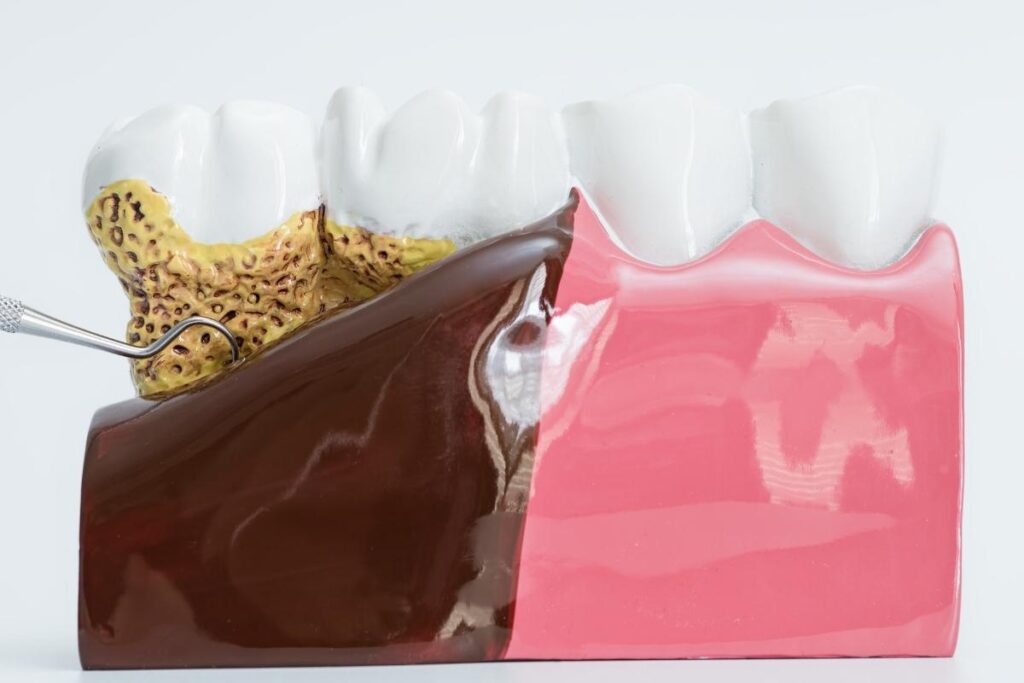
Maintaining oral health in Bellevue requires understanding the key differences between gum disease and tooth decay. While both conditions affect the mouth, their causes, symptoms, and treatments vary significantly. Recognizing these differences can help you take preventive action and seek timely care from experts like the team at Meydenbauer Dental.
What Is Gum Disease?
Gum disease, or periodontal disease, occurs when bacteria build up along the gumline, causing inflammation. Early-stage gum disease, called gingivitis, often presents with redness, swelling, or bleeding gums. If left untreated, it can progress to periodontitis, which affects the bone supporting teeth and may lead to tooth loss.
Signs of Gum Disease:
- Swollen or tender gums
- Bleeding while brushing or flossing
- Receding gums
- Persistent bad breath
- Loose or shifting teeth
Bellevue residents experiencing these symptoms should schedule a gum disease evaluation at Meydenbauer Dental to prevent complications.
What Is Tooth Decay?
Tooth decay, or dental cavities, occurs when acids produced by bacteria erode the enamel and dentin of the teeth. Poor oral hygiene, sugary diets, and irregular dental visits are common contributors. Unlike gum disease, tooth decay primarily affects the tooth itself, not the gums.
Signs of Tooth Decay:
- Toothache or sharp pain
- Sensitivity to hot, cold, or sweet foods
- Visible pits or holes in teeth
- Dark spots or staining
- Bad taste in the mouth
Prompt treatment with fillings, crowns, or root canals can restore teeth affected by decay and prevent further damage.
Key Differences Between Gum Disease and Tooth Decay
| Feature | Gum Disease | Tooth Decay |
|---|---|---|
| Affected Area | Gums and supporting bone | Tooth enamel and dentin |
| Primary Cause | Plaque buildup along the gumline | Acid from bacteria on teeth |
| Symptoms | Bleeding, swelling, bad breath, loose teeth | Toothache, sensitivity, visible cavities |
| Treatment | Deep cleaning, antibiotics, and surgery | Fillings, crowns, root canals |
| Prevention | Brushing, flossing, and regular cleanings | Brushing, fluoride, dietary control |
Why Early Detection Matters
Both gum disease and tooth decay can lead to serious oral health issues if untreated. Regular dental checkups in Bellevue allow your dentist to detect early warning signs and provide timely treatment. Early care is less invasive, more cost-effective, and helps maintain a healthy, confident smile.
Preventive Tips for Bellevue Residents
- Brush at least twice daily with fluoride toothpaste.
- Floss daily to remove plaque between teeth.
- Maintain a balanced diet, low in sugary snacks and beverages.
- Schedule professional dental cleanings and exams every six months.
- Avoid smoking and tobacco products, which increase the risk for gum disease.
At Meydenbauer Dental, our experienced dentists provide personalized guidance to prevent, detect, and treat both gum disease and tooth decay. Using modern technology and gentle care, we ensure that Bellevue patients enjoy long-term oral health and beautiful smiles.
Schedule an appointment today to have your teeth and gums evaluated and take proactive steps toward maintaining optimal oral health.
FAQs
1. Can tooth decay lead to gum disease?
Yes, severe tooth decay can contribute to gum irritation, but gum disease primarily begins along the gumline due to plaque buildup.
2. Are gum disease and tooth decay painful?
Tooth decay often causes noticeable pain or sensitivity. Gum disease may be painless in the early stages, making regular dental visits essential.
3. How often should I get a dental checkup in Bellevue?
Most patients benefit from visits every six months, though your dentist may recommend more frequent checkups based on your oral health needs.